- cross-posted to:
- technology@slrpnk.net
- cross-posted to:
- technology@slrpnk.net
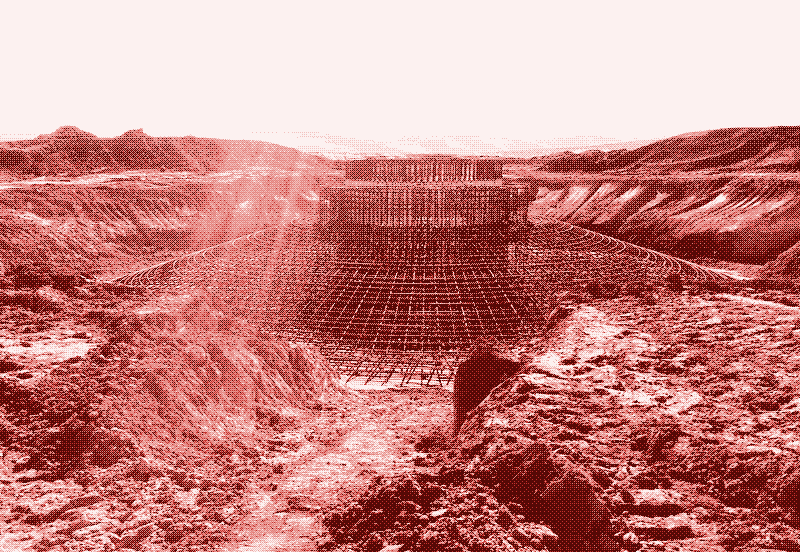
We cannot lower carbon emissions if we keep producing steel with fossil fuels.
You must log in or # to comment.
deleted by creator
The folks who came up with the 3 R’s (plastics industry) knew that only the first one made any difference whatsoever.
Even today, plastics recycling only makes a trivial difference. Edit: And a lot of things saying “uses X% recycled plastic” are often referring to the plastic recycled in-house through the manufacturing process, which they’ve always done (such as flash from injection molding). Unless it says “post-consumer” it’s just moral grandstanding.
However, steel is the most recycled material today, and glass is also good at being recycled. But glass has a weight (and therefore energy) penalty, which likely outweighs recycling benefits.
Electric arc furnaces are becoming more common across the steel industry, coke alternatives not so much. Being a commodity, any steel plant that chooses more expensive ingredients is going to quickly go out of business
deleted by creator
How else do u suppose we make steel?
Use renewable and clean energy sources to produce electricity then make steel with induction heater or other forms of electricity-based heat?
That’s… Not how new steel production works.
Coal is a significant component in the production of steel to impregnate it with carbon. It’s a fundamental part of how a blast furnace operates. The article literally talks about this…
Even the article about doesn’t mention an alternative. An arc furnace relies on scrap it cannot make new steel.
Though, I wonder if we can move more towards charcoals, but even then I wonder if that’s just much less effective or if it cannot reach the temperatures or concentrations required for industrial processes.
How much of the coal in a blast furnace is actually necessary for the carbon impregnation, as opposed to supplying the heat via combustion? Steel contains only a few percent carbon by weight, so it doesn’t seem like much carbon is needed (not to mention that the carbon in steel is essentially sequestered).
deleted by creator
The hybrit process that some Swedish steelmakers (including SSAB - not a typo, it isn’t Saab) are using looks promising. They’ve been testing it with Volvo and are apparently making it part of Volvo’s regular process in 2026
Cool, I learned something new today.
Coal is required for steel, electricty-based heat would only work to lower carbon emissions (especially when recycling steel since you don’t need coal there), but you couldn’t prevent them.
“… Only work to lower carbon emissions” But thats exactly the point, that it is high emissions now.
electricity-based heat?
The most expensive heat, so probably not feasable.
Resistive, sure. Inductive, not necessarily.
I’m not positive, but it seems to me both would require the same amount of energy to increase a given mass to a given temp.
And since electric heating is effective 100% efficient (all the energy is tranformed to heat), I can’t really see how either would be more efficient.
There’s usually an interface material when using resisitive heat. And there’s heat loss from heating the interface material before the heat getting to the actual material that needs to be heated.
Inductive heating can be applied directly without heating the interface material.
Though this is probably more applicable to cooking vs industrial kilns and furnaces.
It’s the same. It’s not because of some losses somewhere on the way. Electricity is simply by far the most expensive form of energy.
For recycling steel we use electricity heat. Though an arc furnace usually. U can make your own with 2 carbon rods and a microwave transformer.
what about giving up on steel and moving into something more ‘vintage’, like clay @_@
That’s fundamentally different from steel. We don’t really have an alternative currently. You could use something like aluminium but that’s not environmentally friendly either (in the initial production, for recycling it’s great).
In Europe, even a single family home is now built using tons of steel. They build with brick, but the foundation, corner pillars, beams on top of walls are all concrete.
A few decades ago, reinforced concrete beams were only used in large buildings and infrastructure.
Not to mention the huge amount of carbon emissions resulting from cement production, for the concrete that steel is fixed in
I hear bronze is pretty decent. Could always go retro.
Rio Tinto is moving to solar (and some wind) here in Australia for its aluminum refining and smelting operations. Would be good if the same could be done for steel too.
Aluminium has traditionally been smelted with electricity. It’s easy to move to green tech
Steel is harder. There is serious work that had been going on for years trying to come up with new low emissions ways of making steel