

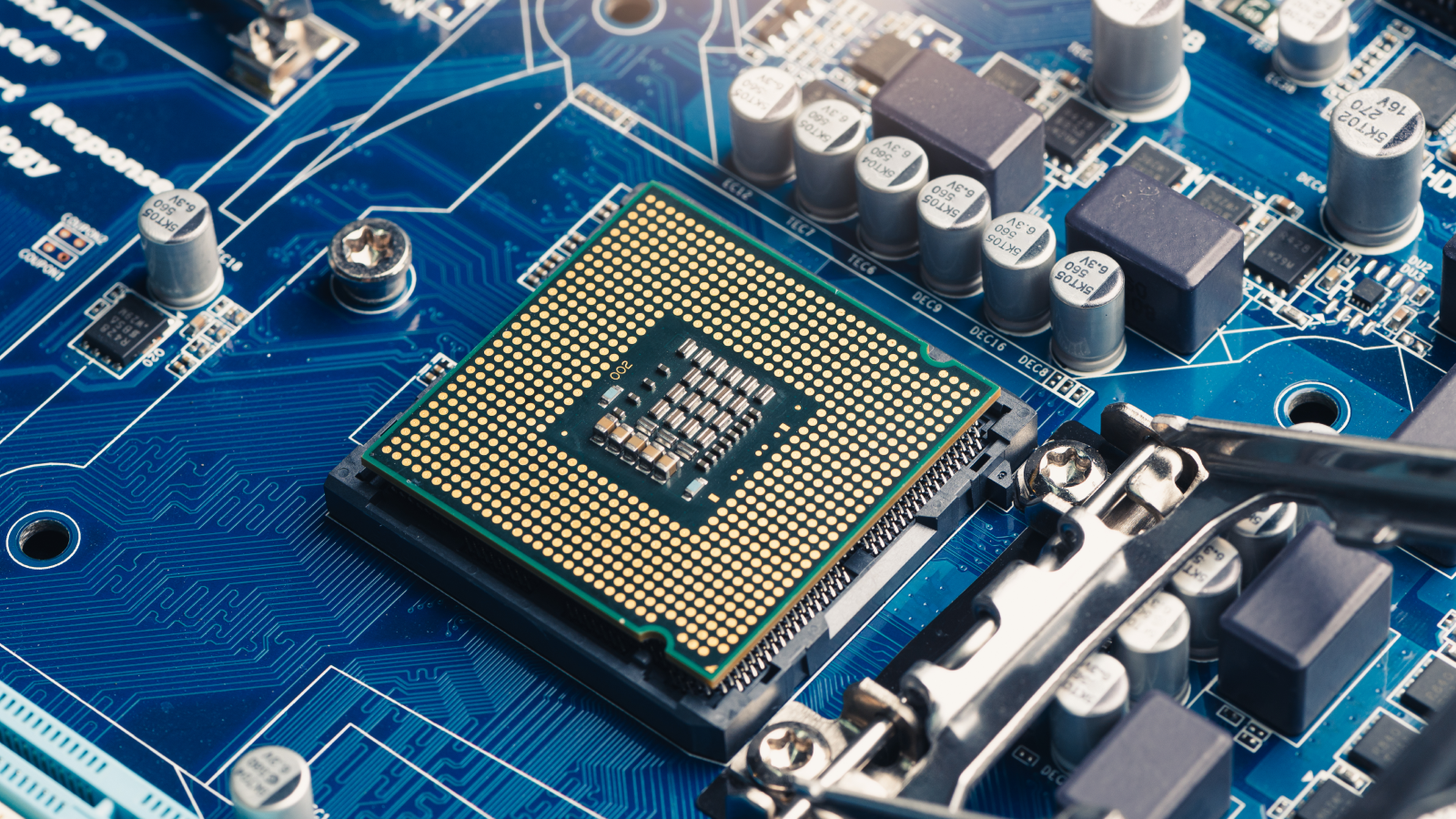
“The new device is built from arrays of resistive random-access memory (RRAM) cells… The team was able to combine the speed of analog computation with the accuracy normally associated with digital processing. Crucially, the chip was manufactured using a commercial production process, meaning it could potentially be mass-produced.”
Article is based on this paper: https://www.nature.com/articles/s41928-025-01477-0
The maximum theoretical precision of an analog computer is limited by the charge of an electron, 10^-19 coulombs. A normal analog computer runs at a few milliamps, for a second max. So a max theoretical precision of 10^16, or 53 bits. This is the same as a double precision (64-bit) float. I believe 80-bit floats are standard in desktop computers.
In practice, just getting a good 24-bit ADC is expensive, and 12-bit or 16-bit ADCs are way more common. Analog computers aren’t solving anything that can’t be done faster by digitally simulating an analog computer.