

2·
3 hours agoWho said anything about getting paid 😭
Made you look! :D
Who said anything about getting paid 😭

Can you explain why? I’m a newbie and just subscribed to random communities
ETA - nvm, saw someone else explain it!
I’m part of the hiring team at my work, and my 2¢:
Yes, 100% appropriate and appreciated. Candidates who send me thank-you emails tend to stand out more than ones who don’t, even if their interviews weren’t quite as strong. It’s not a make-or-break thing and it’s never been the deciding factor for me, but it’s something we notice and appreciate for sure.
I would avoid overthinking it or trying to over-explain yourself in your email. Odds are you did better than you thought you did. If you do decide to add more context, I definitely agree that you should reference some part of the interview directly. It should also be clear how the extra information connects to the job you are seeking. And stick to one thing - choose your strongest attribute or experience and explain why it makes you a great candidate. Don’t give them a laundry list of things you forgot in your interview.
I got sucked into the anti-SJW corner of the Internet in the early 2010s and had some pretty negative views about trans people, activists, feminists, etc. despite being queer and female myself. I was a fish out of water in my conservative hometown, and in a weird way, I think the anti-SJW stuff allowed me to justify my own self-hatred.
When I went to college, my freshman roommate was a trans man and very into social activism. I went into the situation with an open mind and am glad I did. We ended up becoming close friends and lived together all four years of college. I basically did a political 180 in the span of a year thanks to our friendship, and shed a lot of the bigoted views I’d been indoctrinated with. I ended up becoming a student activist as well and am still involved in social impact work in my adult life. I probably would have been a totally different (and worse) person if I’d never met him.
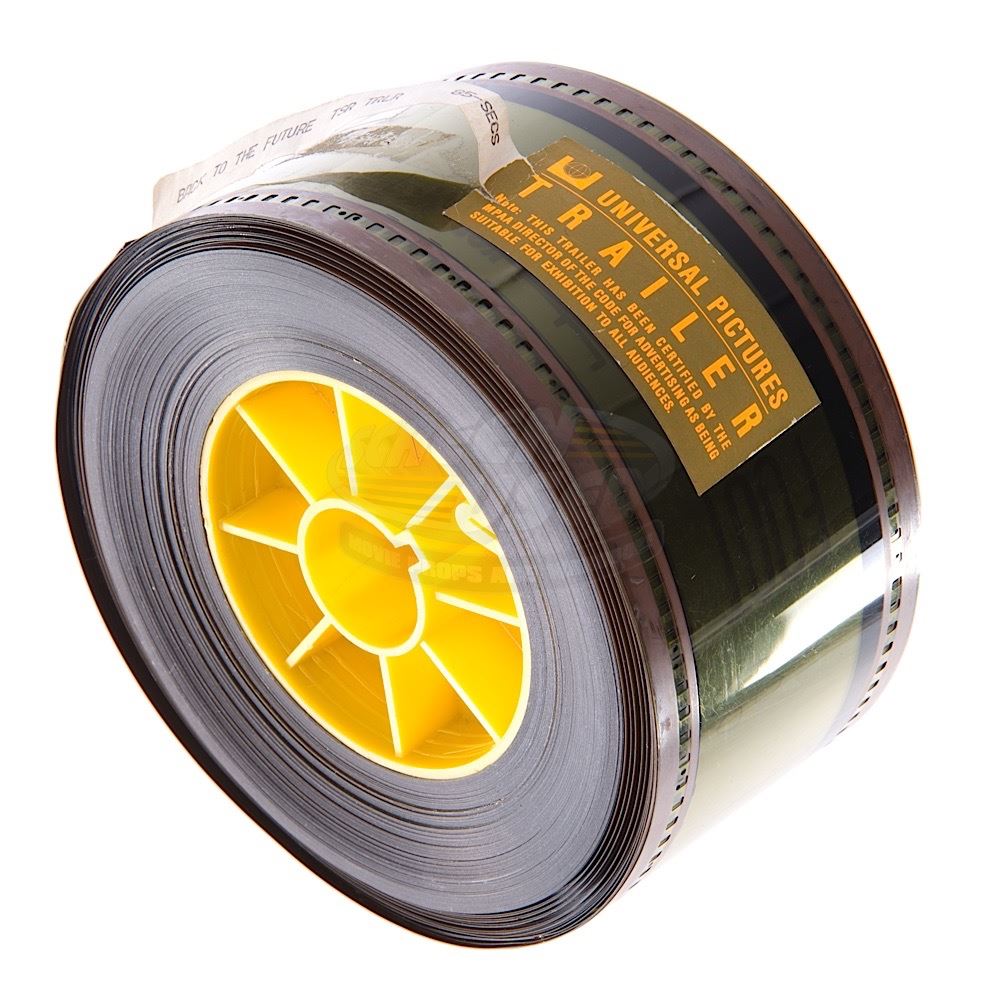
Yes, I worked with one of the producers briefly
Excited for the resurgence of Mia Wasikowska
My apartment has been in the background of several movies and TV shows. Most recently Dark Matter and Chicago Fire.
I’ve held an Oscar! Specifically the 1982 Oscar for best documentary.
I love this. The story did indeed make me groan 😅
I’m shocked, honestly.
I don’t think it’s a question of “should”, but “can”. The genre gives authors freedom to engage with the subject matter or not - at least more than standard literary or historical fiction does. As readers, we can enjoy fiction for its social commentary and also for providing an escape from reality.
There are a great many speculative fiction authors who have used genre as a tool to talk about racism and other larger social issues to great effect - think Octavia Butler, Tananarive Due, Stephen Graham Jones, Samuel R. Delany, Victor LaValle, Gabriel Garcia Marquez, Sheri S. Tepper, RF Kuang, etc. Speculative fiction is rich with opportunities for historical analogy, but it can also provide a lens through which we can explore a post-race future, or at least one where our conception of race has changed radically. I personally enjoy when authors tackle these topics explicitly.
That said, I value fiction for escapism, too. I’ve thoroughly enjoyed books and movies that are diverse for diversity’s sake, and don’t really discuss race at all - most recently the film Wicker, or Becky Chambers’s scifi novels. It doesn’t bother me when that diversity doesn’t necessarily make sense for the setting - if I’m already suspending my disbelief about a sentient basket man, I can suspend my disbelief about a few black or Asian people living in this medieval village.
I’ve gone on tour in Europe twice.
It sounds cool until I mention I played 2nd flute for a wind orchestra 😅
My mom is in her late 60s and still functions the way she did in her 40s, physically and mentally. I definitely think it’s possible to keep your mind and body in shape in your older years by living an active, social lifestyle. Aging is inevitable, but there are ways to adjust the pace.
Going to try making it this weekend and report back! I’ve made a chai spiced ice cream before and it turned out great. I love trying unusual flavors - so far, thai basil is a winner in our household.
Same. I have a few decks mostly for the artwork. My favorite is the Tarot del Toro
I was a total tomboy growing up. My parents DGAF whether I had short hair or long hair, or whether I played with dolls or legos. I was never taught that I had to be pretty or feminine or have a boyfriend or anything like that. I’m grateful for it, because now I’m an independent adult and generally don’t find myself held back by the type of internalized sexism many women talk about.
Your comment reminded me of one of my favorite quotes from the show The Good Place (shared without context here to avoid spoilers) -
"Picture a wave in the ocean. You can see it, measure it - its height, the way the sunlight refracts when it passes through - and it’s there, and you can see it. You know what it is. It’s a wave.
And then it crashes on the shore, and it’s gone. But the water is still there. The wave was just a different way for the water to be for a little while…The wave returns to the ocean: where it came from, and where it’s supposed to be."
This is what my sleep chart does when I’m hypomanic 🫠
Italians are the woooooorst about this kind of thing. I can’t think of a country that gatekeeps their food harder.

If satiety is your goal, focus on replacing carbs with protein and healthy fats. I would swap the potatoes and regular pasta for quinoa (or quinoa+brown rice) and protein-enriched pasta. Also, make sure you have an actual protein with each meal - whether it’s chicken, fish, eggs, beans/lentils, tofu, whatever works. You don’t need protein shakes, but they’re great for filling in the gaps if it’s difficult/expensive to meet your protein goals otherwise. Aim for at least 1g of protein per kg of body weight per day - e.g. if you’re 150lb/68kg, you should be getting at least 68g of protein per day.
Also, don’t be afraid of foods with fat. Olive oil, nuts, avocados, egg yolks, cheese, etc. can all be perfectly healthy as part of a balanced diet. It’s the combo of protein+fat that keeps bodies feeling full and satiated for long periods. Carbs provide quick energy but not long-lasting fullness.
As for your question about greens - you can really put any type of greens in soup (except lettuce, don’t be a weirdo lol). My personal favorite is spinach, but I also frequently use kale, cabbage, chard, etc. If the texture of greens bothers you, chop them up tiny like herbs before mixing into the stew. You can also blanch them, blend them, and strain them into the soup for a fun green broth.