

7·
5 hours agoDid you only read the summary or the full report on Tesla? I linked 2 different pages so you can have your facts straight
Did you only read the summary or the full report on Tesla? I linked 2 different pages so you can have your facts straight
I beg to differ, see Mozilla’s “Privacy Nightmare on Wheels” report for Tesla
In short: currently all options suck

I’d like to push back a little on your second paragraph, as most of the listed things mentioned can be remediated with appropriate planning/actions. Of course every case is a different one, this always depends on the local context, but as a general rule:
Trees are expensive to maintain
If you plant native trees, that usually isn’t a big problem, as they have been adapting themselves to those conditions for thousands of years
in addition to cracking sidewalks and roads
You can always select appropriate trees species that don’t have such aggressive root system that tends to crack them
they need water
Once again, native trees are your best bet, in conjunction with water harvesting techniques, I don’t think it will be a problem. I always recommend Brand Lancaster and Andrew Millison work on this subject. See Harvesting Rain Water for more details
If you prefer video format:
“Free water was illegal… He changed that…” [19m15s]
YT link, non YT link
the leaves need to be cleaned up
I always find this a weird obsession, why do we have to clean them up? In a forest, it usually lies on the floor and becomes nutrients, habitat, reduces water evaporation from the soil, protects the soil from erosion, etc
they need to be trimmed
This one depends a lot on the context, but at least around here, trimming usually means butchering trees and making them completely unbalanced, which makes the population even more upset as your point below becomes the likely scenario
they pose a liability risk so need to be covered by insurance
Healthy trees are not likely to cause problems. Again this one depends on how the city deals with it, but routine check ups should be more common
Considering all the benefits greenery has in our lives, I still think we come out way ahead with it in the long term, even if we were only looking at it from an economic perspective

Those fake window shutters look so weird

Come and join us at c/patientgamers
A1 model has multiple reports, I’m not sure about others yet
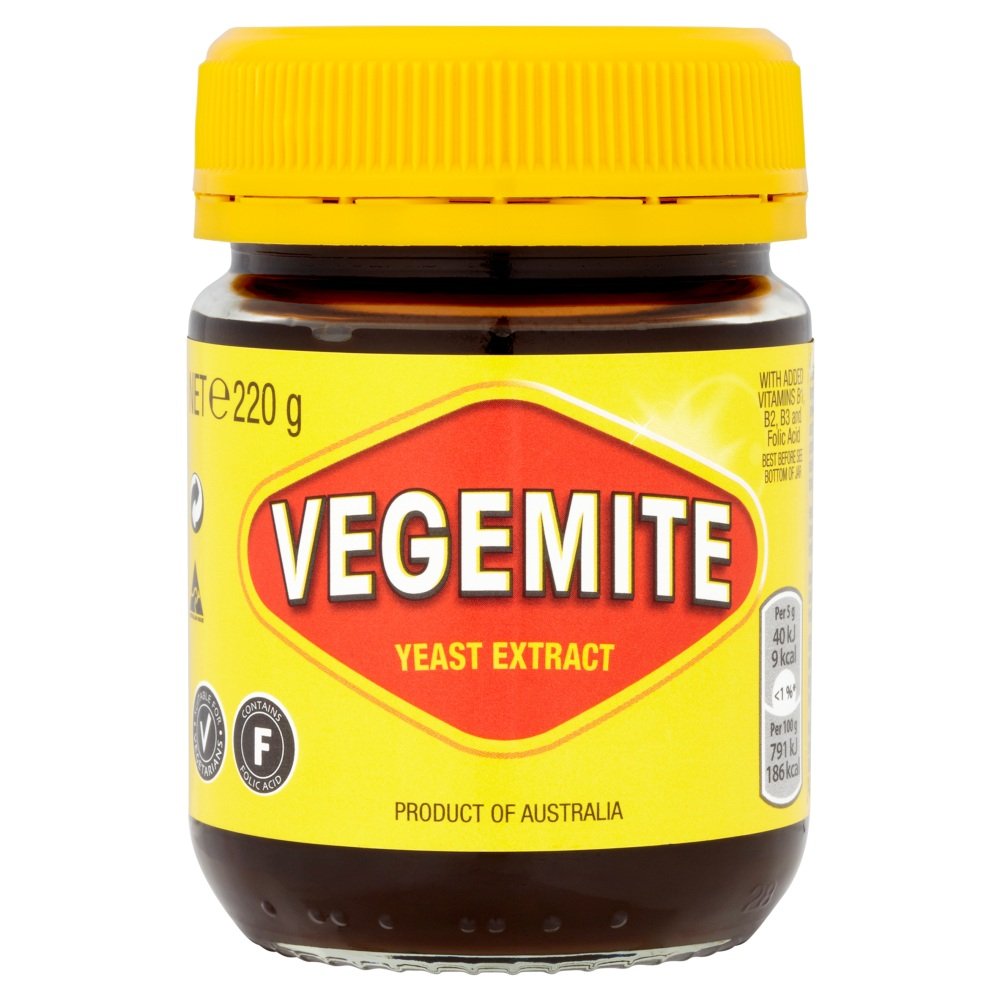
You might have had only bad coffee tbh. I’d at least give it a try with different stuff if you are ever inclined to try it again

Damn, that first zombie map on Old World was tough on hard. I almost gave up. Great game
I think he probably means those Aedes mosquitos that can carry Dengue and Malaria

S04E12 :)
For the curious:
Every human is a little bit sad all the time because they know they will die, but that knowledge is what gives life meaning
The article actually gives 3 options:
The only ways to make the deletion stick are to disable Chrome’s AI features through chrome://flags or enterprise policy tooling that home users do not generally have, or to uninstall Chrome entirely
You can’t say that and let us curious, which one in particular? I just started watching it and I got hooked. Looking forward to reading theories once I finish my binge watch
That was a great watch. If anyone else has any other movie/series recommendations like Perfect Days (2023), let me know

They are already doing that, they even have a playbook on how to try to protect them, but apparently, “Physical protection is a set of structural measures that do not guarantee the safety of protected objects. Solutions do not exclude blast load and shrapnel impact.”
| Solution | What It Is | Rosneft’s Own Admitted Weakness |
|---|---|---|
| Cable barriers around tanks | Cable/net mesh (40×40 cm) wrapped around storage tanks on pipe stands | “NOT resistant to UAV shrapnel”; only protects against multirotor drones |
| Scaffolding cages | Modular metal scaffolding erected 5m above tank roofs | “Insufficient volume of scaffolding to protect the Company’s facilities”; “high cost” |
| Shipping container walls | 20-36m high walls from stacked 20/40-ft containers with cable infill at 40 cm spacing | Not yet pilot-tested; requires thousands of containers per refinery |
| “Tent” canopy over tank farms | Overhead cable-mesh tent using containers as structural supports (21m central mast) | “Difficulties during firefighting”; “high snow loads” |
| Tower crane mast cages | Repurposed crane sections forming 4-pillar cage around processing units, cables at 1m spacing | Each unit requires individual engineering; relies on surface foundations or guy-wires |
| Three-barrier column protection | Layer 1: cable screens 1-1.5m out from platforms; Layer 2: nets (40×40 mm mesh); Layer 3: kevlar/aramid wrapping | In case of detonation, destruction is inevitable |
| Cable fencing for pump stations | 6mm cables at 500mm spacing on outrigger brackets | Only designed to destroy drone airframe — does nothing against the warhead |
| Reinforced concrete panels | Reinforced Concrete wall panels replacing sheet-metal wind barriers at pump stations | Only covers pump stations — the narrowest, lowest-value target category |
These older models are quite serviceable, so I’m surprised to hear that. lol
Did it weld shut together by being exposed to the elements? Do you know the model/year? Is it from the 60s?
You are not making it any duller at all. That deserves its own post to be honest

Are you supposed to eat the burnt layer ? Is it just to add flavor and can be scraped? I usually don’t like burnt stuff, so I wonder how much it affects the taste

We just came back from the poop walk, poop was made, so I’d say fine







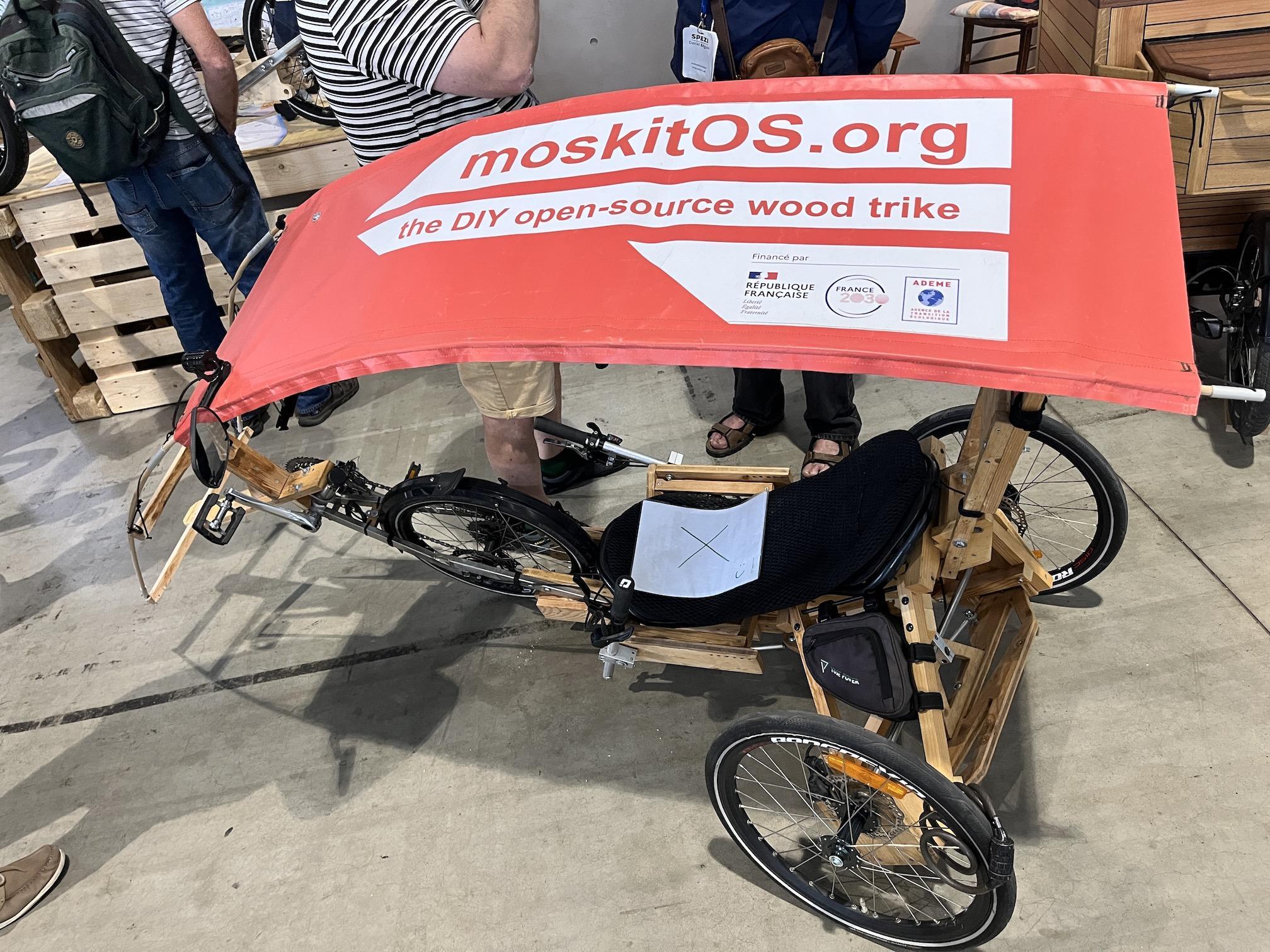
Whatś in yours? I’ve seen quite a few different recipes, so just curious about yours