

1·
1 month agoWhat do you mean?

What do you mean?
I’ve been watching Landman clips on YouTube and I have mixed feelings on it.
I think it does a good job of capturing the futility of this situation, in the sense that every stage of fossil fuel production (and consumption) is populated with folks “just doing their job,” providing for their families, following orders, etc. I watch this show and see the banality of evil, oil CEOs who genuinely believe they’re doing right by the world rather than burning it down.
But I’m also acutely aware that this is not the take most viewers will be walking away with. We’re talking about a general public that idolizes the likes of Tony Montana, Gordon Gekko, Patrick Bateman, Tony Soprano, and Jordan Belfort, despite their films/shows explicitly depicting their downfall as a result of their moral failings.
The vast majority of viewers are going walk away from these films feeling less guilty for their own fossil fuel consumption.
I debated adding the F, but SLRPNK does this weird thing where it adds a huge space after the degree symbol and it just looked weird. When writing for American audiences I prefer using °F as °C seems to unintentionally downplay the severity of warming, but either way it’s real bad.

I’m personally focused on climate change, but where did you post that? And is there any way to archive that information? (Archive.org most likely saved a snapshot of the page.) The vast majority of the stuff I post gets single-digit upvotes, I think part of it is just a userbase issue. Even main page posts only get a few comments, I don’t think we’ll see real traction and engagement until the number of total users goes up by 10x.
Amidst all the horrible news about data purges and erasures, this is a glimmer of hope. The real losers (as usual) are the American people, who stood to benefit massively from clear, understandable data on climate risk at a local level. I’ve been pre-emptively archiving federal climate resources for the past 6 months, as it all seems to be on the chopping block.
2x on local hard drives, 2x in the cloud. Not taking any chances with this.
I think about this a lot when we’re talking about animal, bird, and insect populations, because all those massive declines we’re hearing about are measured from 1970 onwards. By that point industrial civilization had been chugging away for a full century, and ecosystems were already severely degraded. Then I think about how settlers clear-cut the Eastern US with just hand-powered axes and saws, and that was a hundred years before that.
In most areas we’d have to go back over 10 generations to encounter a truly healthy ecosystem. Shifting baseline is absolutely a real thing.
Agreed. I’m getting tired of these pencil-pusher reports implying that “the economy” is going to keep chugging along at a reduced rate, as if we can just shuffle around our stock portfolios and weather the storm.
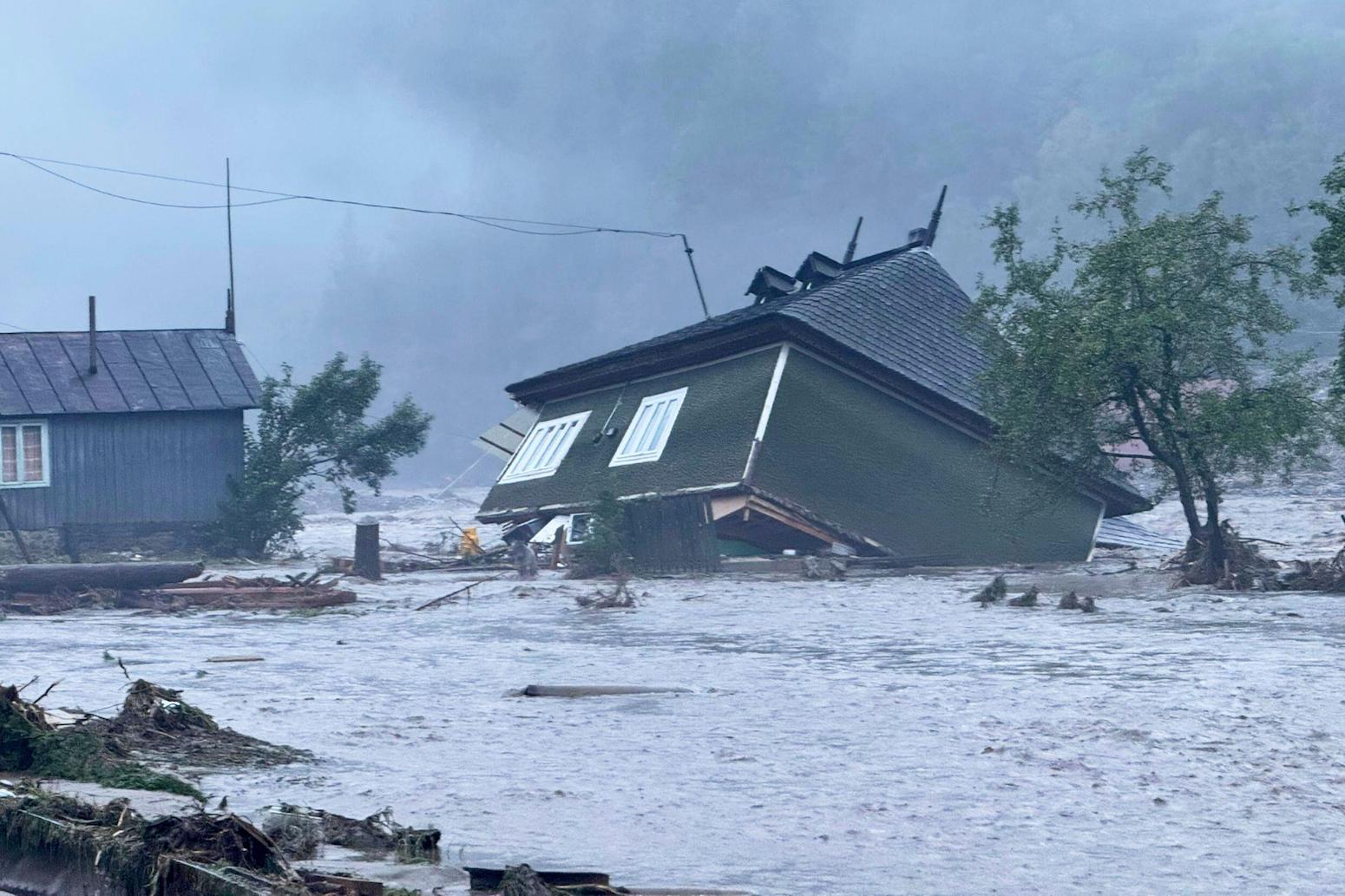
The “Planetary Solvency” report by IFoA is one of the first mainstream papers that’s taking a sober look at the climate crisis. If we hit 2°C by 2050, they’re seeing a significant likelihood of:
I don’t even want to think about 3°C and 4°C scenarios.
Jesuits are real ones. The Nazis considered them to be one of their “most dangerous enemies” due to their principled opposition. Glad to see they’re keeping the flame alive.
Banks trying to take profits buying air conditioner stocks while society and the biosphere is crumbling around them is a perfect encapsulation of this crisis. I’m doing my best to laugh at the absurdity of it all, because the alternative is paralyzing depression.
If you’re interested in the more fundamental dynamics at play here, I’d highly recommend giving these a watch:
It is the stock brokerage division of banks giving their boiler room reps a “hot tip” lead.
“When it gets hot, people will use more air conditioning.” Thanks Morgan Stanley, that’s some real insider knowledge.
Thank you for sharing! I’m a big proponent of the planetary boundaries framework, it’s a great way to visualize overshoot. While climate change is a big (perhaps the biggest) issue facing global civilization right now, it’s extremely important that we don’t get tunnel vision and try to solve for one variable without looking at our biosphere holistically. (That’s how we get carbon capture and geoengineering.)
A few more links/resources for those interested:
The IPCC, FAO (UN), and the World Resources Institute put emissions from (all) agriculture at around 20%-25% of total emissions.
This article cites a single paper in opposition, which claims that emissions from animal agriculture are more than double that number. I don’t have the time or expertise to comb through that paper with a critical eye, but the reports of the above organizations cite dozens of studies so it seems the weight of evidence is tilting towards the 20% figure.
This isn’t to say that animal agriculture isn’t an issue - it’s a huge issue, and not just for the climate. But I think it’s important to acknowledge that these emissions numbers aren’t widely accepted.
Some key findings from this report:
The YPCC summarized the findings below:
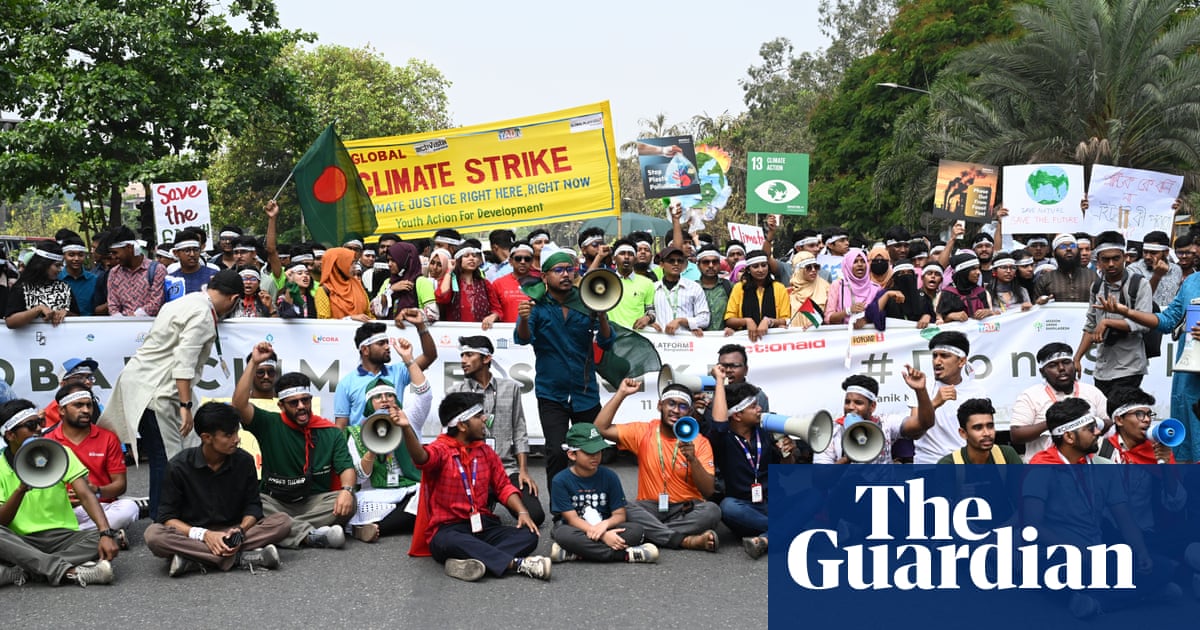
The review finds strong evidence that climate activism influences public opinion and media coverage, although the specific relationship depends on the kind of actions taken and the way the media covers the events. The evidence shows that protest usually increases support for the movement when protests are peaceful, but not when they are violent. But there was also evidence that the influence of activism on public perceptions could be positive or negative, depending on the tone of the media coverage of the protests.
The review found moderate evidence that climate activism can influence voting behavior and policymaker attention. One study in Germany found that areas that experienced Fridays for Future protests had a higher share of the vote go to the Green Party, and that repeated protests increased the effect. Multiple studies in the UK found that protests successfully increase communications by policymakers about climate change or pro-climate actions.
There was less evidence that climate activism leads directly to policy change or improvements in environmental quality. This is not necessarily because climate activism does not affect these outcomes or others we reviewed—it is likely because studies that capture these outcomes are difficult to conduct.
The vast majority of pollution is created by the vast majority of people. The impact of the ultra-wealthy is large individually, but small collectively.
I don’t believe that we should be pursuing growth in an era of global overshoot, but I do believe that this kind of messaging has a better chance of getting through to people who care more about the economy than the biosphere.
The difficulty in regulating mining in international waters are precisely why companies are rushing into this market. It’s much harder to stop something that’s already been started, and regulatory agencies are notoriously slow.
What we do know of seabed mining is that it’s incredibly destructive to marine ecosystems. As Peter Watts writes,
Very little research has been done on the environmental impacts of deep-sea mining. The only real study was undertaken thirty years ago, led by a dude called Hjalmar Thielon. It was a pretty simple experiment. They basically dragged a giant rake across 2.5 km2 of seabed, a physical disturbance which— while devastating enough— was certainly less disruptive than commercial mining operations are likely to be. Today, thirty years later, the seabed still hasn’t recovered.
But what’s more concerning is what we don’t know, as very little research has been conducted on its impact. Moreover, many of these ecosystems are largely uncharted. We could very well destroy something before we have the chance to understand it.
On a higher level, this is what happens when you attempt to solve for one variable (climate change, in this case the transition to renewables and its associated mineral demand) instead of looking at an issue holistically (i.e. the total integrity of our biosphere).
Ignorance, petulance, and a willful dismissal of the truth are the new norms for this “administration.” But information wants to be free, and this is a good example of how the internet can be a force for good.
Thank you to Fulton Ring for making the raw data publicly available on their Github. I’ll be downloading this data and hosting the risk maps on my website as well; the more copies of this information out there, the better.
The level of obstinacy and stupidity in this administration never ceases to amaze me.
Each year the WEF publishes a Global Risk Report, surveying over 300 global experts and leaders from business, government, and academia on what they believe are the most pressing threats facing the world. For the past 3 years, climate change and its associated impacts have consistently ranked #1, #2, and #3 among all quantified threats.
To not only downrank this threat, but pretend that it presents no risk entirely implies that the US doesn’t even have object permanence at this point.









Good catch!