

2·
2 months agoWhat about Bazzite isn’t working for you right now?
What about Bazzite isn’t working for you right now?
I love the idea of Pixelfed and briefly checked it out a couple years ago, bounced off it b/c hash tags weren’t federated, and other issues that I don’t remember the specifics of. For example, when I click on #cats in a photo caption, I want it to show me photos across all instances w/ that hash tag, like the “All” feed in Lemmy.
I don’t wanna poo poo on something that is essentially a free service for plebs like myself, but I remember things being just broken/ incomplete enough and it seemed like its original creator had already moved on to other projects that I filed it under “things w/ potential that aren’t quite there yet (and may never get there).”

How do you connect your disks to your host machine? Are they in an external cage w/ SATA-to-USB adaptors or mounted internally to SATA ports?
Yeah, I’ll definitely be rinsing off (in the cold shower of course) and changing my clothes before I go to bed. Thanks for weighing in!
Did you call before you dug?

I initially thought of pizza, then remembered big online retailers w/ delivery drones, etc.

Wexit? Windexit?
Being able to boot into previous snapshots from the boot menu sounds ideal, and I’ve seen a lot of mentions of CachyOS lately, so maybe I’ll check it out next time I do a fresh install. Thanks for the tip!
In your case, how do you roll back? Do you just reboot and select the previous image from the grub menu or do you do something manually and then reboot?
Regarding the specific btrfs subvolume setup and grub/systemd-boot integration, are you talking about how some distros show the btrfs snapshots on the boot menu? Or something else?
When you want to go back, do you just reboot and select the previous snapshot on the boot menu, or do you restore the snapshot manually and then reboot?
Thanks for the tip on storing the kernels on the btrfs partition. I found a video tutorial for installing Arch w/ btrfs snapshots in which the guy demonstrates this approach, except that he sets the mount point to just /efi instead of /boot/efi.
Noice. Can you tell us more about what soil you’ve used? For example, did you buy some potting mix at the store or something else?
Thanks, so 5.33% in March 2026 against 2.33% for the same period in 2025, which represents 128% growth year over year if my math is correct. I’m impressed!
Does anybody have a year-over-year comparison instead of month-to-month?
In this case, I wonder how the year-over-year comparison looks as opposed to month-to-month.

Thank you for clarifying that!
I saw “Germany” in the title and instantly assumed it was a pilot program at a local government level because I thought I’d read somewhere that in Germany, the regional governments do most of the heavy lifting in terms of legislation, with a very limited federal government, but according to the article, I was wrong:
Germany has made ODF mandatory as the standard format for documents within its sovereign digital infrastructure. The decision is incorporated into the Deutschland-Stack, the framework governing the development, procurement and management of digital systems for public administration at all levels. This is neither a pilot project nor a recommendation from a working group, but a mandate backed by the federal government and the coalition agreement.
The official document has been published by the IT-Planungsrat, the central political steering body comprising the federal government and state governments, which promotes and develops common, user-oriented IT solutions for efficient and secure digital administration in Germany: https://www.it-planungsrat.de/beschluss/b-2026-03-it.
Thats pretty neat! Excerpt from the source article:
What’s happening at the end of that street? Pictured here are not auroras but light pillars, a phenomenon typically much closer. In most places on Earth, a lucky viewer can see a Sun pillar, a column of light appearing to extend up from the Sun caused by flat fluttering ice-crystals reflecting sunlight from the upper atmosphere. Usually, these ice crystals evaporate before reaching the ground. During freezing temperatures, however, flat fluttering ice crystals may form near the ground and are sometimes known as a crystal fog. These small ice crystals may then reflect not the Sun but ground lights. The featured image captured not only numerous light pillars but also the iconic constellation of Orion, and was taken in Mohe, the northernmost city in China.





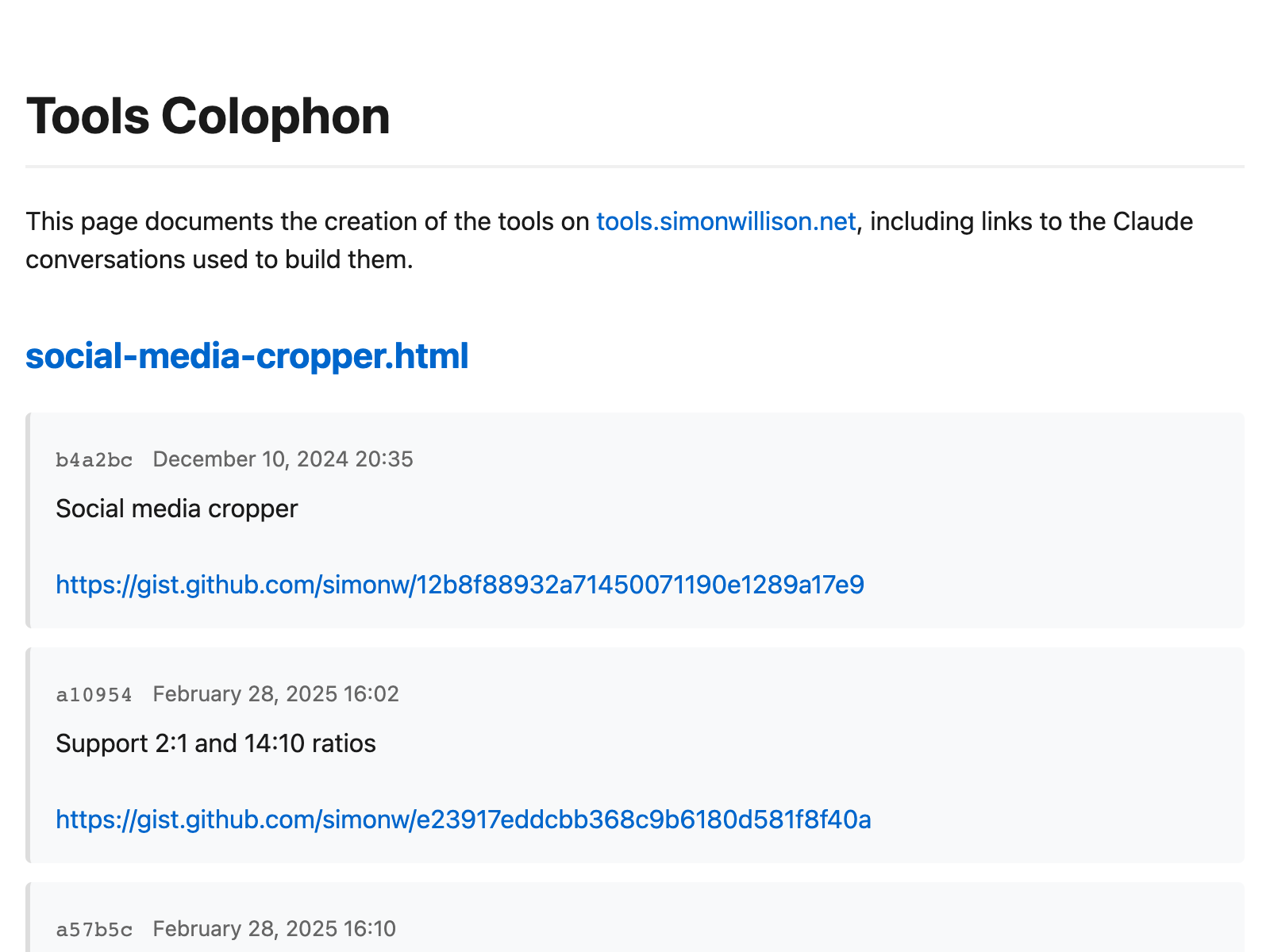




From their GH: